5 days 4 nights
Daily Tour
6 people
English
Guests arrive at Malé International Airport and board a domestic flight to Gan International Airport, crossing the equator on the journey—a rare geographical experience. Upon arrival, check into Equator Village, a converted British RAF base, which retains colonial-era charm with landscaped gardens and frangipani trees.
The first afternoon is unstructured to allow guests to acclimatize, explore the property, and enjoy the calm waters of the small beach. Optional activities include a dip in the swimming pool, a walk through tropical gardens, or an early evening stroll to appreciate the local flora. This is also an ideal time to discuss the history of the atoll, the British military presence during WWII, and the transformation of Gan from a strategic air base to a welcoming resort location.
Accommodation: Equator Village Hotel
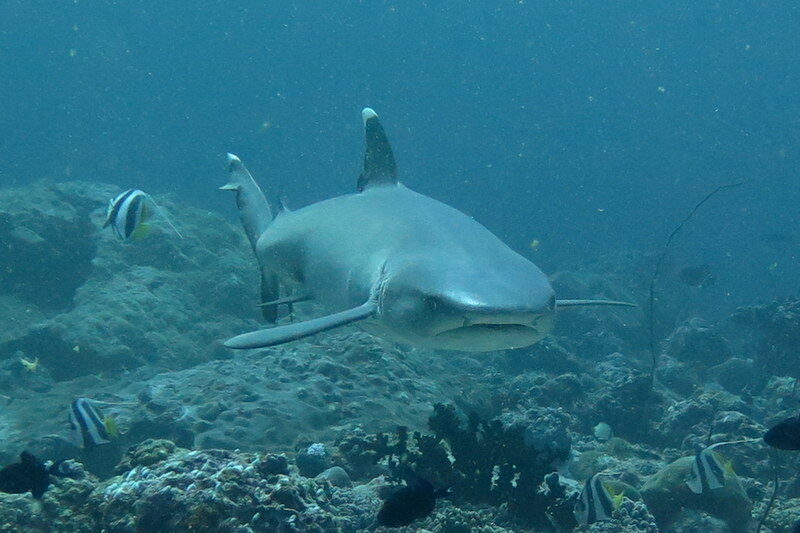
Travel by vehicle to Addu Nature Park, home to Eydhigali Kilhi wetlands and Koattey, a UNESCO-protected area. Koattey, meaning “fortress,” shelters almost 30 bird species, including migratory birds and the iconic white tern (“dhondheeni”). A park ranger provides an immersive nature tour, sharing ecological insights, historical anecdotes about strategic importance during WWII, and local conservation challenges. Guests then enjoy a picnic lunch amid the mangroves before kayaking through Bedhi, where red mangroves create intricate waterways teeming with baby stingrays and small sharks.
Snorkeling opportunities allow encounters with turtles, lobsters, clams, sponges, and elusive seahorses. The day concludes with a conservation briefing over coffee, exploring human impacts on coral reefs, mangroves, and marine life, and highlighting how responsible tourism supports ecosystem protection
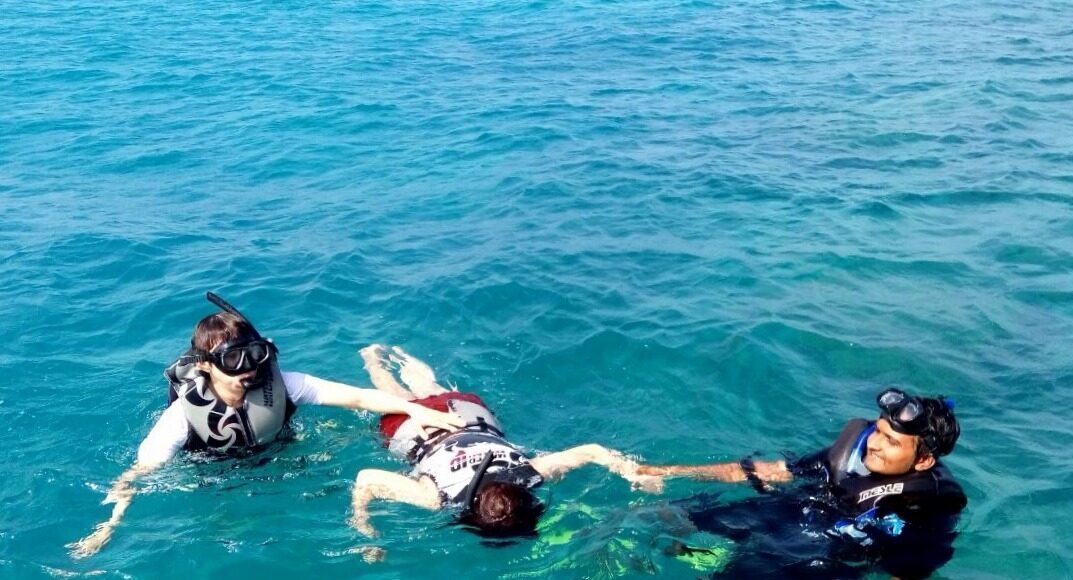
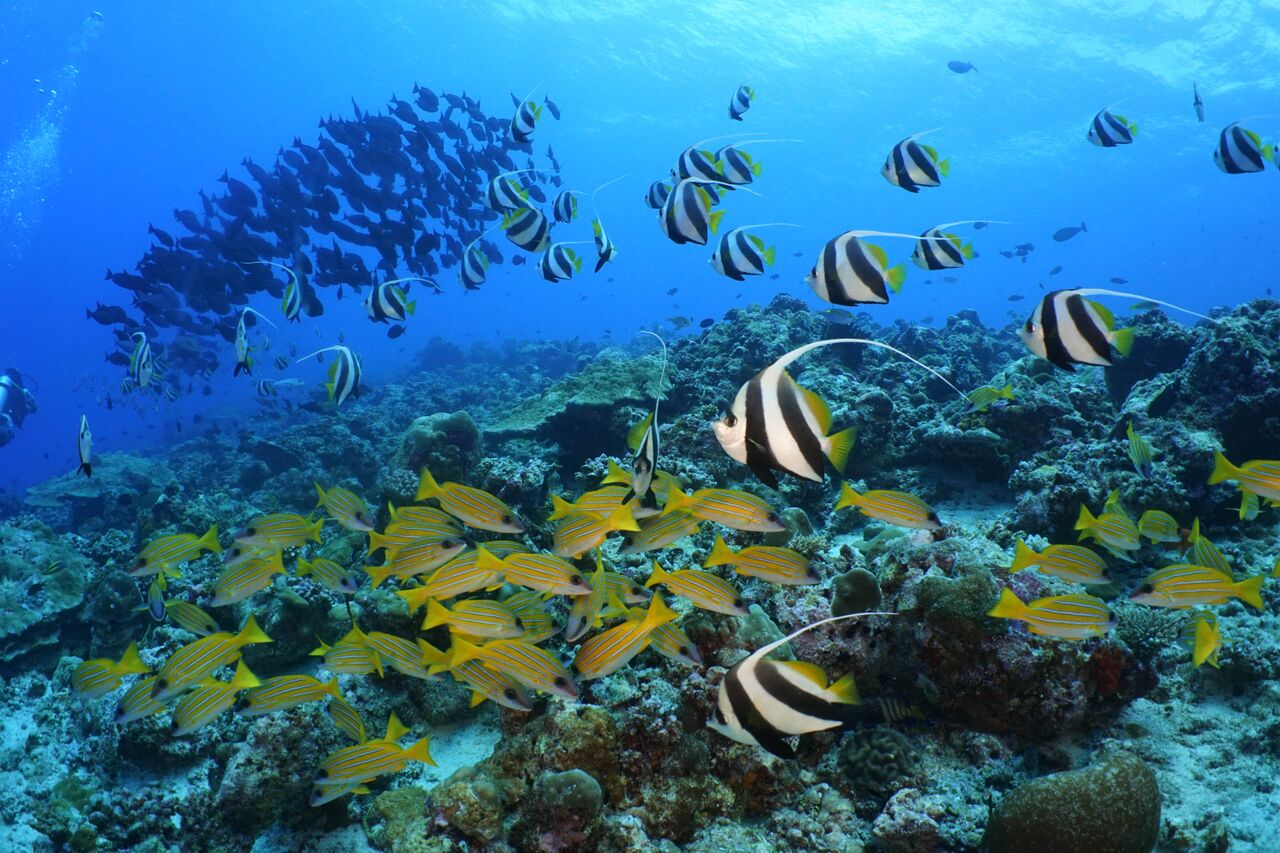
Depart by boat for a full-day snorkeling expedition on Addu’s vibrant coral reefs. Guests receive a safety briefing and guidance in responsible snorkeling practices. Coral formations teem with reef fish, soft corals, turtles, and reef sharks. Addu is unique in the Maldives for hosting full-sized adult manta rays, with wingspans up to 5 meters.
Participation in the Maldives Manta Conservation Programme (MMCP) gives guests insight into ongoing research and local efforts to monitor manta populations. Returning to Gan, guests explore historical sites on foot, including WWII monuments, the old cinema, and colonial buildings, learning how Addu’s strategic military past shaped its development. The day ends with tasting traditional hedika, small Maldivian sweet and savory snacks, at a local café, fostering cultural connection.
Cycle through Feydhoo, exploring everyday life and connecting with local communities. Cross the atoll by public ferry to Hulhumeedhoo, encompassing Meedhoo and Hulhudhoo islands. Meedhoo is one of the oldest inhabited islands in the Maldives, featuring centuries-old tombs, mosques, and relics from both the colonial and WWII era.
Guided visits include Kogannu Cemetery, home to more than 1,500 coral tombstones and seven mosques, some dating back 900 years, offering insight into Maldivian religious and funerary traditions. The tour continues to Zuvaan Dhanduveriya, an experimental farm cultivating dragon fruit, grapes, and passionfruit through innovative techniques. Guests then visit Mathikilhi Eco Garden, a preserved freshwater wetland, learning about the historical transformation of local lakes and the importance of wetland conservation for biodiversity and flood management.
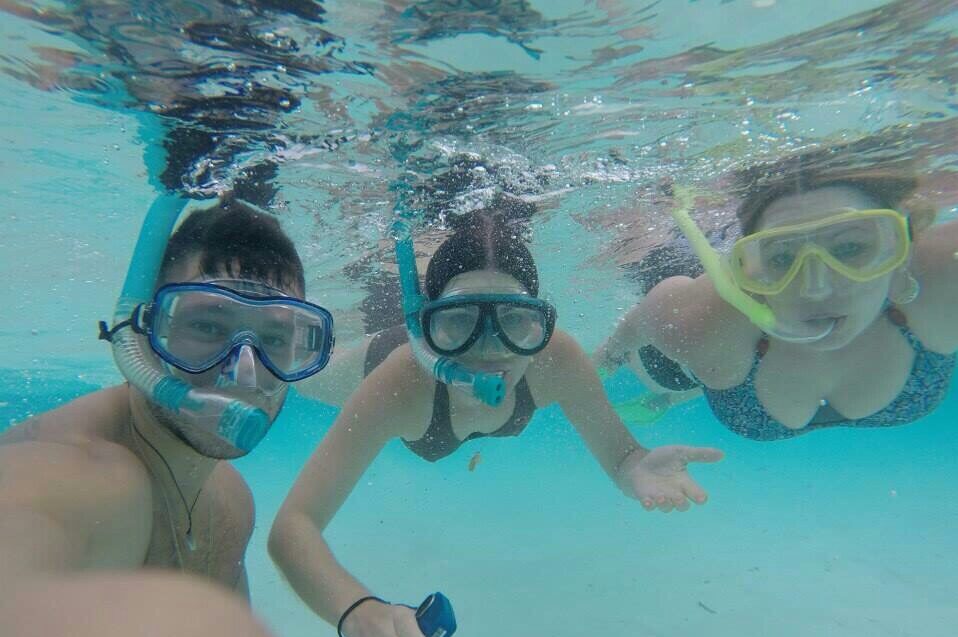
Guests enjoy a free morning to relax on sun loungers or by the pool. Later, a short excursion to a pristine Maldivian sandbank provides a quintessential tropical experience—swimming in shallow turquoise waters, snorkeling over soft coral gardens, and basking in solitude surrounded by the Indian Ocean.
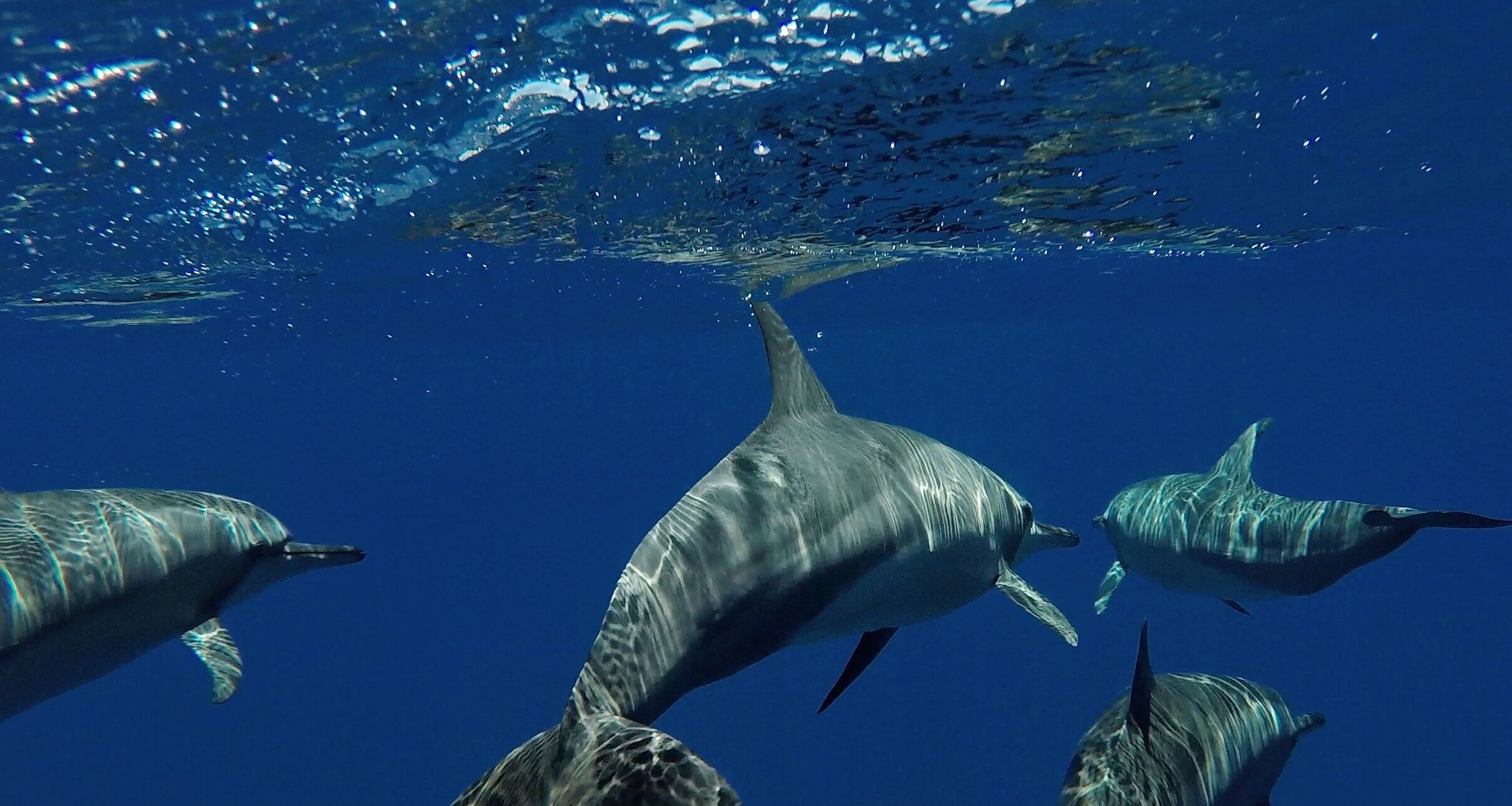
On the return boat trip, guides keep a lookout for dolphins, offering educational commentary on their social structures, hunting behaviors, and conservation status. To close the experience, guests participate in a coconut palm planting, leaving a tangible positive impact on the local environment and fostering a sense of stewardship

Member Since 2025